Vesuvius Or Etna: Which Volcano Hike
Italy has two famous volcanoes a traveller can actually walk on, and most people only have time for one. Here is how the two compare on effort, access, guiding rules and what a booked tour gets you, with hard Vesuvius numbers and an honest qualitative read on Etna.
Short answer
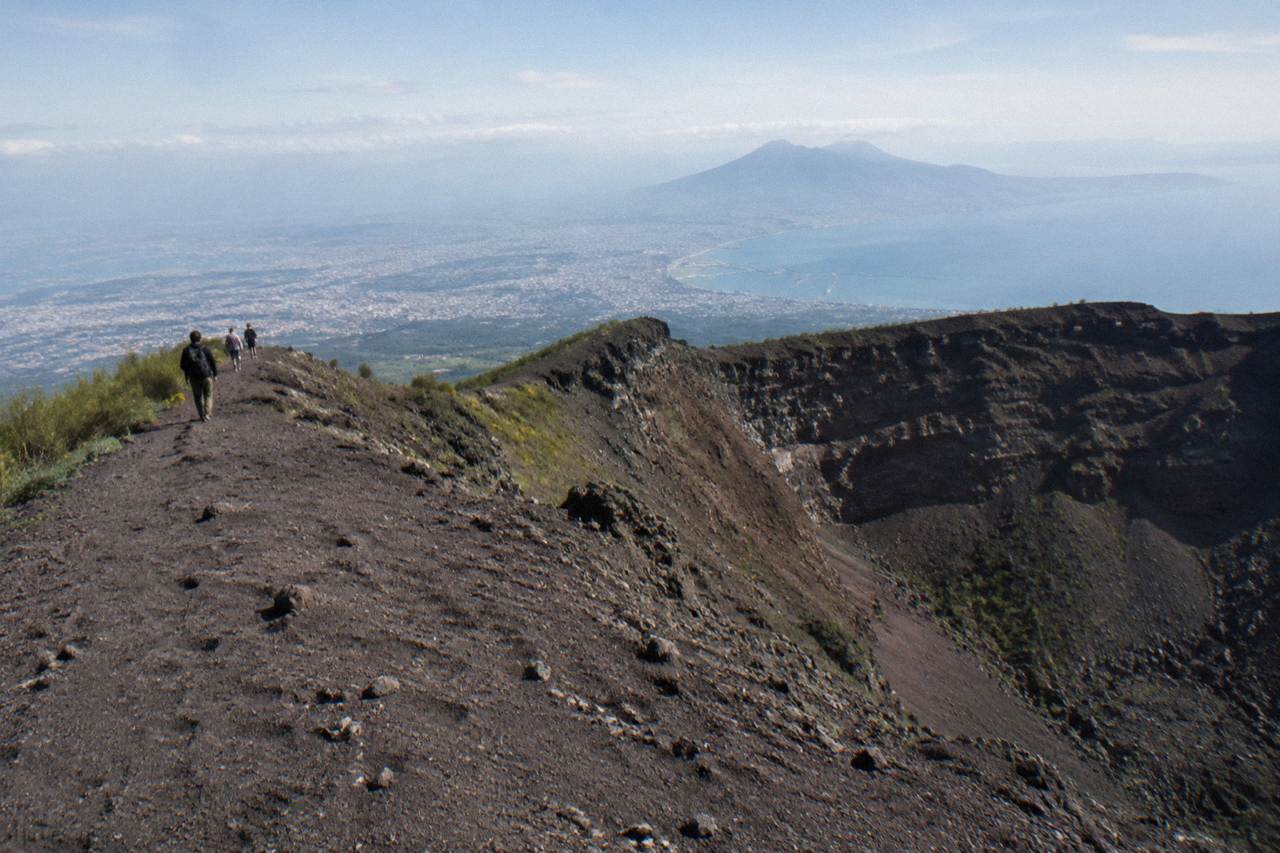
Choose Vesuvius if you are based in Naples, Sorrento or Rome and want a short, guided crater walk you can pair with Pompeii in one day. Choose Etna if you are in Sicily and want a bigger, wilder mountain. Vesuvius is 1,281 m high, its crater trail tops out at 1,175 m and takes about 2 h 30 round trip on an officially low-difficulty path.
Vesuvius and Etna sit 400 kilometres apart and answer two different travel plans. One is a half-day crater walk bolted onto the greatest archaeological site in Europe; the other is the tallest active volcano in Europe, a full mountain with cable cars, lava deserts and summit craters that only guided groups reach. The question "vesuvius or etna" is really a question about where your trip is based and how much of your day the volcano is allowed to take.
This guide compares the two honestly. For Vesuvius, every number here comes from the park's own rules and the verified tour listings on this site. For Etna, no figures on this site are verified, so the comparison stays qualitative: Etna is the larger and more frequently active of the two, which is general knowledge, and no Etna tour or price is named. If your base is anywhere near Naples, the practical case for Vesuvius is unusually strong, and the roster of Mount Vesuvius hiking tours shows how many ways there are to climb it.
Vesuvius Or Etna: Which Volcano Should You Hike?
Pick Vesuvius for a short, guaranteed-guided crater walk you can combine with Pompeii on a day trip from Naples, Sorrento or Rome; pick Etna if you are already in Sicily and want a full mountain day on a much larger, more frequently active volcano. The two are not interchangeable: Vesuvius tops out at 1,281 m with the public trail ending at 1,175 m, while Etna towers far above anything on the Italian mainland.
The deciding factor is geography before anything else. Vesuvius is reachable from Naples in under an hour by shuttle and from Pompeii by a public bus line; Etna requires a Sicilian base, typically Catania or Taormina. If Italy gave you one week in Rome plus two nights in Naples, Etna is simply not on the menu.
The second factor is what the walk itself is. Vesuvius offers one short, managed trail: 4,010 m round trip, 2 h 30, difficulty rated low by the park, with everyone above 1,000 m accompanied by the park's volcanological guides under a mandatory rule. Etna, by contrast, is a stratovolcano the size of a small mountain range, where a typical visitor visit involves a cable car and a guided hike across lava fields, and the highest craters are reserved for guided groups with equipment. Bigger, wilder, and a bigger day out.
| Factor | Vesuvius | Etna |
|---|---|---|
| Where it is | Campania, above Naples and Pompeii | Eastern Sicily, above Catania |
| Scale | 1,281 m summit (INGV); crater up to 580 m across | The larger and taller of the two, no verified figures here |
| The classic walk | Gran Cono trail, 4,010 m round trip, 2 h 30 | Cable car plus guided lava-field hike, full day |
| Difficulty | Officially low, gently graded path | Longer, higher, more variable terrain |
| Guiding | Mandatory park volcanological guides above 1,000 m | Guided options for upper craters |
| Pairs with | Pompeii or Herculaneum the same day | Sicilian wine and Baroque towns |
How Do The Two Volcanoes Compare In Activity?
Vesuvius is monitored continuously and currently sits at green alert level, with parameters within base values; its last eruption was March 1944. Etna erupts far more often and is the more frequently active of the two by a wide margin, which shapes everything from access rules to how close visitors can get to the fun.
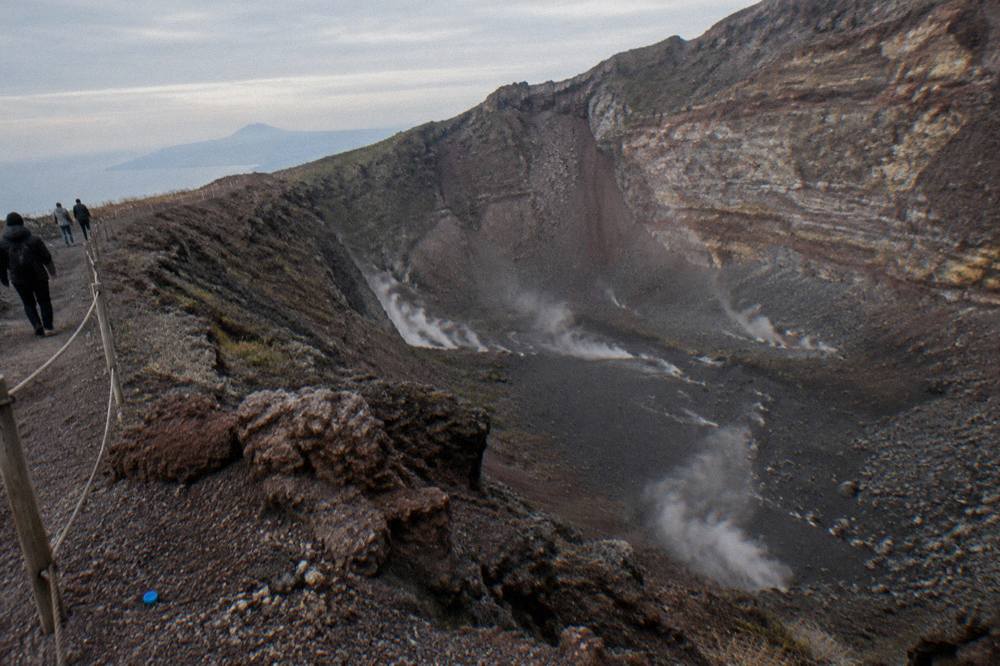
The Vesuvius numbers are firm. The summit stands at 1,281 m according to INGV, the last eruption began on 18 March 1944 and the lava reached the towns on 21 March, and the crater itself is elliptical with a maximum diameter of 580 m, with fumaroles still steaming on the inner walls. The Osservatorio Vesuviano publishes the alert level openly: green, with the September 2026 bulletin recording 121 small earthquakes, the largest at magnitude 1.7, and a long-term decline in hydrothermal activity inside the crater. You can read the current status page yourself before you go.
Etna is a different beast. It is Europe's largest and most frequently active volcano, in general terms: eruptions, ash columns and lava flows are recurring events rather than historical footnotes, and visits there are organised around what the mountain is doing that season. No Etna figure on this site is verified, so none is printed. The honest framing is that Etna offers more volatility and spectacle, Vesuvius offers more predictability and story, and for a walker with one free day, predictability matters.
The famous difference is context. Vesuvius did not just erupt; it buried Pompeii and Herculaneum in AD 79, a date traditionally given as August 24, though a 2018 find at Pompeii points to October. Walking its rim means looking down at the towns it destroyed, which no other volcano hike in the world offers. For more on the sleeping-giant question, read Is Mount Vesuvius Active.
Which Volcano Is Easier To Reach?
Vesuvius wins on access by a distance: it sits beside a major city with trains from Naples, a dedicated EAV bus from Pompei, and dozens of daily tours from Naples, Sorrento, Rome and the Amalfi Coast. Etna requires a Sicilian base and a transfer from Catania or Taormina, typically a 60 to 90 minute drive uphill before any walking starts.
For Vesuvius the public-transport chain is documented. From Naples, the Circumvesuviana runs from Napoli Centrale toward Sorrento or Poggiomarino-Via Pompei; you get off at Ercolano Scavi for shuttles up the mountain, or at Pompei-Villa dei Misteri for the EAV bus. Line 808 from Pompei Piazza Anfiteatro reaches the Quota 1000 trailhead plaza in 55 minutes for €3.80 on board, with nine runs up a day between 8:30 and 14:30 under the timetable in force from 1 October 2026. Coming by car, the A3 exit at Torre del Greco leads to the Quota 800 car park, then it is a 30 minute walk or a €1 municipal shuttle to Quota 1000.
The transfer-plus-ticket products remove even that planning. The listing titled Bus Transfer to Vesuvius with Park Entry Fee, from €35.10 per person and rated 4.3 from 1,923 reviews, is the budget version; one guest review from Nicola of the United Kingdom calls it an "easy way to get from Pompeii to Vesuvius and back again". At the top of the convenience range, the Direct Transfer with Entry Tickets product, 4.4 from 1,785 reviews and also from €35.10 per person, guarantees entry alongside the ride.
Etna has no equivalent of a 55-minute public bus from a world-famous archaeological site. Access there means a hire car or an organised excursion from the east coast, and winter snow can close the upper mountain entirely. Both volcanoes punish casual planning, but Vesuvius forgives it.
How Hard Is Each Climb Compared?
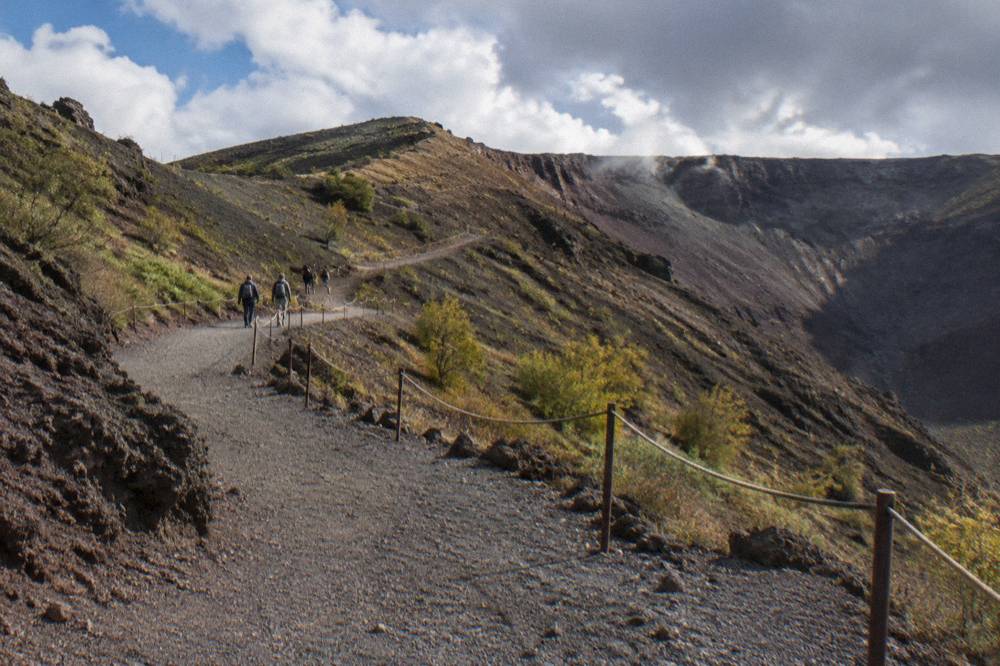
The Vesuvius crater walk is officially low difficulty: 4,010 m round trip, about 2 h 30, on a managed path from the Quota 1000 plaza up to a 1,170 m turnaround, and tours are capped at 2 hours on the shortest route. Etna demands more: higher altitude, longer distances, loose lava terrain and real mountain weather, even on the standard lower-level itineraries.
The Gran Cono numbers deserve spelling out because they surprise people in both directions. The trail is short but not flat: from the ticket hut at 1,118 m to the turnaround at 1,170 m the path is a steady ash-and-pumice grade, and the park rates it "bassa", low difficulty, pending rather than technical. Shoes matter more than fitness; one review of the big Naples day tour, from Millie of the United Kingdom, flags "very uneven surfaces and very hot in summer so trainers and water bottles". Visit the park's Gran Cono page for the full rules.
Etna shifts the effort scale upward. Standard excursions reach high altitudes where the air is thinner and the weather changes fast, and walking is on jagged lava. Most casual visitors ride the cable car and then join a guided group; the highest craters are off-limits without alpine guides. If your party contains anyone with knee trouble, small children or modest fitness, Vesuvius is the safer pick, and there is a dedicated angle for that in the less-fit visitors guide.
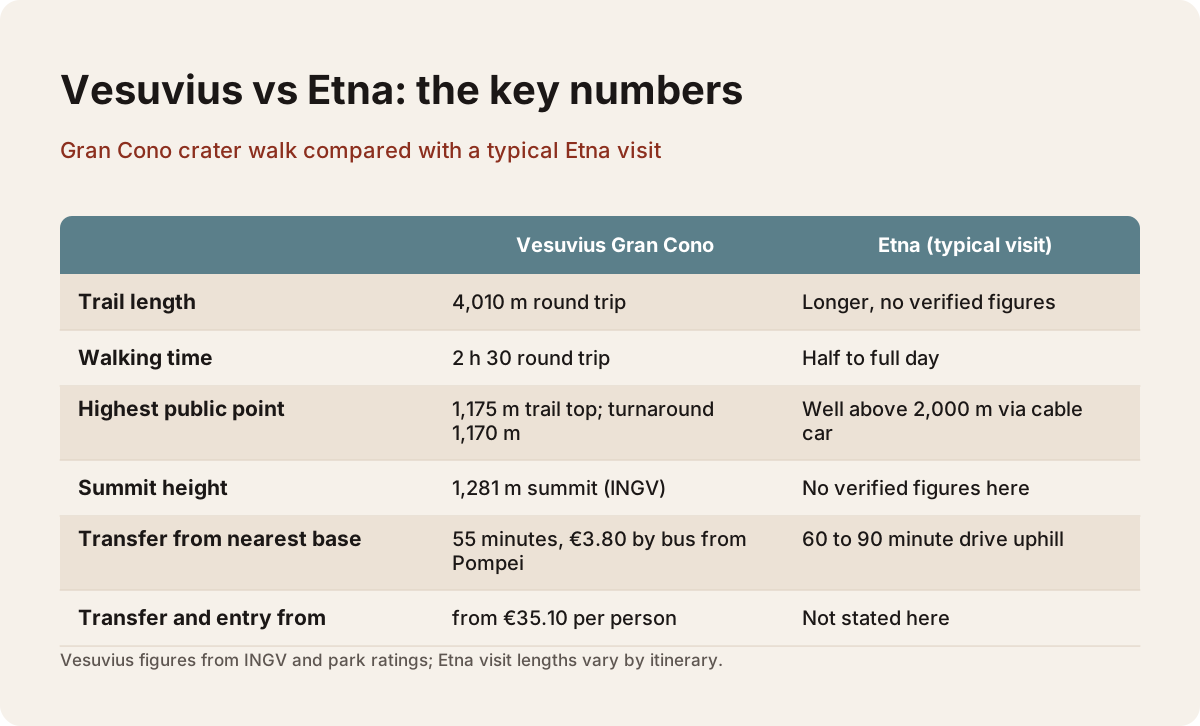
| Measure | Vesuvius Gran Cono | Etna (typical visit) |
|---|---|---|
| Trail length | 4,010 m round trip | Longer, terrain-dependent, no verified figures |
| Time | 2 h 30 round trip | Half to full day |
| Highest public point | 1,175 m (trail top); turnaround 1,170 m | Well above 2,000 m via cable car, general knowledge |
| Surface | Ash and pumice path, managed | Loose lava and rock |
| Official difficulty | Low | Not stated here; harder by nature |
| Guiding | Mandatory above 1,000 m | Required for upper craters |
What Does Climbing Vesuvius Actually Cost?
The Vesuvius park's adult ticket is €10 under its ticketing rules; the park's authorised online seller shows €11.68. Reduced entry is €8, or €9.55 online, for under-25s and residents of the 13 park municipalities, and children under 6 with an adult go free. Tickets are online only, sold by timed slot, 50 per 10-minute slot, released 30 days ahead.
The ticket is only ever the entry fee, not a tour. What the slot buys is access to the trail in your window: a normal ticket is valid from 120 minutes before to 120 minutes after the printed time, within opening hours. When a day sells out, a last-minute release of 10 named tickets per slot appears 30 minutes before each slot, buyable only over the wifi near the entrance, capped at five per email address. Twenty percent of daily tickets are held back for this.
Capacity is engineered, not guessed: a maximum of 360 hikers per hour, 60 people every 10 minutes in three groups of 20, and a daily cap that moves with the seasons, from 3,240 in July and August down to 2,160 in January, February, November and December. That is the whole reason timed tickets exist, and it is why booking ahead matters in any school-holiday week.
On top of the ticket, everything else is optional spending: the bus (€3.80 from Pompei on board), the municipal shuttle (€1 each way), parking (€7 for a car up to 8 seats, 4-hour maximum). A budget traveller can do the whole volcano for the price of the ticket and transit. For Etna, comparable figures are not verified on this site, so check the operator's live listing for anything you consider booking there.
Which Volcano Suits Families And First-Timers?
Vesuvius is the family pick: the walk is short, the footing is manageable in trainers, guides are mandatory so nobody wanders, and tour formats from Naples bundle transport, tickets and often lunch into one booking. Etna rewards older teenagers and confident walkers but punishes strollers, tired legs and anyone unprepared for altitude.
The practical Vesuvius evidence is in the formats. The From Naples: Pompeii Ruins & Mount Vesuvius Day Tour runs 7 to 7.5 hours with hotel pickup, lunch included and free cancellation flagged on the listing, from €67.20 per person, rated 4.3 from 14,121 reviews, the largest review pool in this site's roster. Melanie from the United States sums up the family verdict: "Our tour guide was excellent. She seemed very knowledgeable and was very thorough. She explained the history of Pompeii very well."
For a shorter family outing from the Naples side, the All-Inclusive Mount Vesuvius Half Day Tour, 3.5 to 4 hours with pickup and a 4.5 rating from 891 reviews, from €44.80 per person, gets the crater walk done without consuming a whole day. And for children old enough to saddle up, the horse-riding formats on the volcano's lower slopes add a different kind of memory; the family hike guide covers ages and pacing in detail.
Etna with children is possible but is a different proposition: longer transfers, colder summit conditions even in summer clothes, and terrain that trips adults as readily as toddlers. If the trip's real goal is a photograph of the family standing on a volcano with the sea behind them, Vesuvius delivers it with far less risk of meltdown, literal or emotional.
Can You Pair The Volcano With Pompeii Or Herculaneum?
Only Vesuvius offers the double: its crater trail is close enough to Pompeii and Herculaneum that combined days are the single most-sold product on this site, with tours running roughly 6 to 9 hours depending on departure point and what is bundled. Etna has no world-famous Roman city at its foot, so a Sicilian volcano day is a volcano day, full stop.
This is where the vesuvius-or-etna decision collapses for most travellers. The pairing formats range from the bare-bones Vesuvius and Pompeii Ruins Combo Day Trip (6 to 6.5 hours, from €77.40 per person, audio guides rather than a live guide, 4.1 from 1,673 reviews) up to full-service days with an archaeologist, lunch and even a winery stop. The All-Inclusive Pompeii & Vesuvius with Lunch & Wine, 4.6 from 2,804 reviews and from €127.50 per person, is the template for the premium end.
The featured tour on this page sits in the middle of that range. The Priority Access Pompeii & Mt Vesuvius Full Day Tour from Sorrento runs about 8 hours from €115 per person, rated 4.7 from 1,577 reviews, with skip-the-line priority at the ruins and free cancellation flagged on the listing. It is the format that answers the comparison best: ruins in the cooler morning, crater in the afternoon, everything booked under one roof, and it anchors the range of Pompeii and Vesuvius tours on this site.
If your curiosity runs to the smaller, better-preserved site, Herculaneum works too. The three-site days, Pompeii plus Herculaneum plus the crater in 7.5 to 8.5 hours from €112.50 per person, are ambitious but real, and the combined-itinerary options are laid out in the one-day pairing guide. Etna's nearest cultural pairing, the wine estates and Baroque towns of its slopes, is lovely but is not AD 79.
Which Is Better In Bad Weather?
Both volcanoes shut in genuinely bad conditions, but Vesuvius does it by written rule: an orange regional weather alert or higher closes the trail and ticket office automatically, with automatic refunds for slots inside the closure. Etna's closures are weather-driven and seasonal too, with fog, wind and snow closing upper routes more often, given its greater altitude.
The Vesuvius mechanism is worth knowing because it protects your money as well as your safety. Refunds for tickets inside a closure are automatic, tickets in slots adjacent to a closure are refundable on request within 30 days, and refunds are processed within 60 days. Tour listings across this roster almost universally flag free cancellation, so a storm day rarely means a lost fare. The full mechanics are covered in the weather and visibility guide.
Climate shapes the visit more than closures do. Modelled 1991-2020 climate averages put the summit-level highs about 6 to 7 degrees below Naples in every month, and November is the wettest month at summit level with 180 mm of rain on average, while July is the driest at 16 mm. Access hours shift with the seasons too, from 09:00 to 18:00 in July and August down to 09:00 to 15:00 in the winter months, and since access always ends before sunset, there is no such thing as a sunset crater hike at Vesuvius; more on that in Mount Vesuvius in winter and the month pages.
| Month | Crater access hours | Daily cap | Summit avg high C | Summit rain mm |
|---|---|---|---|---|
| January | 09:00-15:00 | 2,160 | 5.6 | 119 |
| April | 09:00-17:00 | 2,880 | 11.1 | 87 |
| July | 09:00-18:00 | 3,240 | 22.1 | 16 |
| October | 09:00-16:00 | 2,520 | 14.8 | 129 |
| November | 09:00-15:00 | 2,160 | 10.4 | 180 |
Etna's weather problem is altitude: even a warm Catania morning can mean a freezing, fog-bound upper mountain, and visibility can vanish in minutes. Neither volcano should be booked for the final day of a trip without a fallback plan, but Vesuvius's rulebook makes the fallback cheap.
What Are The Tour Formats On Vesuvius?
Vesuvius tour formats fall into four families: bare transfers with entry tickets from about €35 per person, guided half-day crater walks from about €41, full-day Pompeii-and-Vesuvius combos from about €45, and premium days bundling lunch, wine or private guiding from roughly €90 to €150 per person. Etna's formats, cable-car excursions and guided hikes, are not priced on this site.
The transfer family is the budget champion. Bus Transfer to Vesuvius with Park Entry Fee, from €35.10 per person and 4.3 from 1,923 reviews, departs Naples or Pompeii; From Ercolano: Vesuvio Park Entry Ticket and Roundtrip Bus, from €36 per person, does the same from the Herculaneano side. These are rides and tickets, not guiding; the park's own volcanological guides accompany everyone on the crater path regardless.
The guided family adds a live expert. The Mount Vesuvius Tour from Pompeii Led by an Expert Guide, 3 hours from €65 per person and 4.8 from 242 reviews, is a small-group hike where the interpretive layer is the product. The Mount Vesuvius Tour with Ticket from Naples, 4 hours with pickup, 4.5 from 596 reviews, from €41 per person, is the full-service half day from the city.
The combo family is the biggest. The Pompeii & Mt. Vesuvius Elite Tour & Lunch From Naples, from €120 per person and 4.7 from 3,476 reviews, lets guests choose pizza or a wine tasting with lunch. And the premium family tops out with the Vesuvius & Pompeii Signature Tour with wine and lunch, 4.9 from 461 reviews, from €150 per person. Whichever format fits, this Mount Vesuvius Tours guide exists to compare them honestly.
| Format | Example listing | From price | Rating | Duration |
|---|---|---|---|---|
| Transfer plus ticket | Bus Transfer to Vesuvius with Park Entry Fee | €35.10 per person | 4.3 from 1,923 reviews | 3 hours |
| Guided half day | Mount Vesuvius Tour with Ticket from Naples | €41 per person | 4.5 from 596 reviews | 4 hours |
| Combo with lunch | Pompeii & Mt. Vesuvius Elite Tour & Lunch | €120 per person | 4.7 from 3,476 reviews | 8 hours approx. |
| Premium signature | Vesuvius & Pompeii Signature Tour: Wine & Lunch | €150 per person | 4.9 from 461 reviews | 8 hours approx. |
Vesuvius Or Etna: The Final Verdict
Choose Vesuvius if your trip touches Naples, Sorrento, the Amalfi Coast or Rome, if you want a walk almost anyone can finish, or if Pompeii is anywhere on your itinerary; choose Etna only if Sicily is your base and you want the biggest, most restlessly active volcano in Europe. For most first-time visitors to Italy, Vesuvius is the practical and emotional winner.
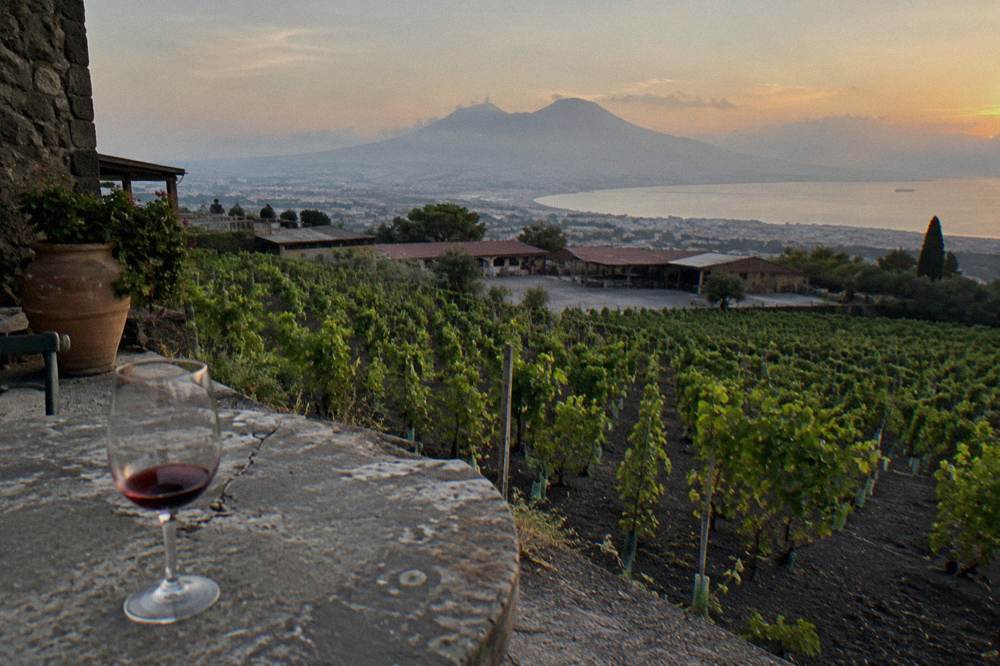
The verdict is not that Vesuvius is the better mountain. Etna is grander, more active and more dramatic by every qualitative measure, and a traveller already in Catania should not fly to Naples for a smaller cone. The verdict is that Vesuvius converts a single free day into an absurd amount of Italy: a buried Roman city, a live crater with steaming walls, and the Bay of Naples from 1,175 m, all on a trail rated low difficulty with mandatory expert accompaniment.
Two planning notes carry the decision. First, book the crater in advance: timed slots released 30 days ahead, 50 tickets per slot, are the only way in, and sold-out days are common in peak season. Second, treat any standing claim about either volcano's current conditions with suspicion and check the live listing and the park's own pages before you travel; the closure rule on weather alerts does the rest. The story of the 1944 eruption and what a repeat would mean for the region is told in When Mount Vesuvius Last Erupted and Would Naples Be Destroyed If Vesuvius Erupted?.
Common Questions About Vesuvius Or Etna
Vesuvius Or Etna: Which Volcano Should I Hike?
Choose Vesuvius if you are based in or near Naples, Sorrento, the Amalfi Coast or Rome and want a short guided crater walk that pairs with Pompeii. Choose Etna if you are in Sicily and want a bigger, wilder, more frequently active mountain.
Is Vesuvius Or Etna More Active?
Etna is the more frequently active volcano by a wide margin. Vesuvius last erupted in March 1944 and is at green alert level, with the September 2026 monitoring bulletin recording 121 small earthquakes of a maximum magnitude 1.7.
How Hard Is The Vesuvius Walk Compared With Etna?
The Vesuvius Gran Cono trail is 4,010 m round trip, takes about 2 h 30 and is rated low difficulty by the park. Etna is a longer, higher walk on loose lava, generally harder for casual walkers, though no Etna figures are verified here.
Can You Do Vesuvius And Pompeii In One Day?
Yes, and it is the most popular format on this site. Combined tours run roughly 6 to 9 hours from Naples, Sorrento or Pompeii, from about €45 per person for a basic combo to €150 per person for premium days with lunch and wine.
Do You Need A Guide On Vesuvius?
Above 1,000 m, yes: the park mandates that every visitor be accompanied by its volcanological guides, in groups, on the crater path. Booking a tour adds a separate interpretive guide for the ruins and transport layers.
Which Volcano Is Cheaper To Visit?
Vesuvius costs are documented: a €10 park adult ticket (€11.68 through the authorised online seller), a €3.80 bus from Pompei and a €1 shuttle. Comparable Etna costs are not verified on this site, so check the operator's live listing.