What Month Is Best To Visit Pompeii?
A month-by-month answer for Pompeii, built on the park's own seasonal hours, the Vesuvius climate table and current tour prices, with crowd, heat and pairing advice.
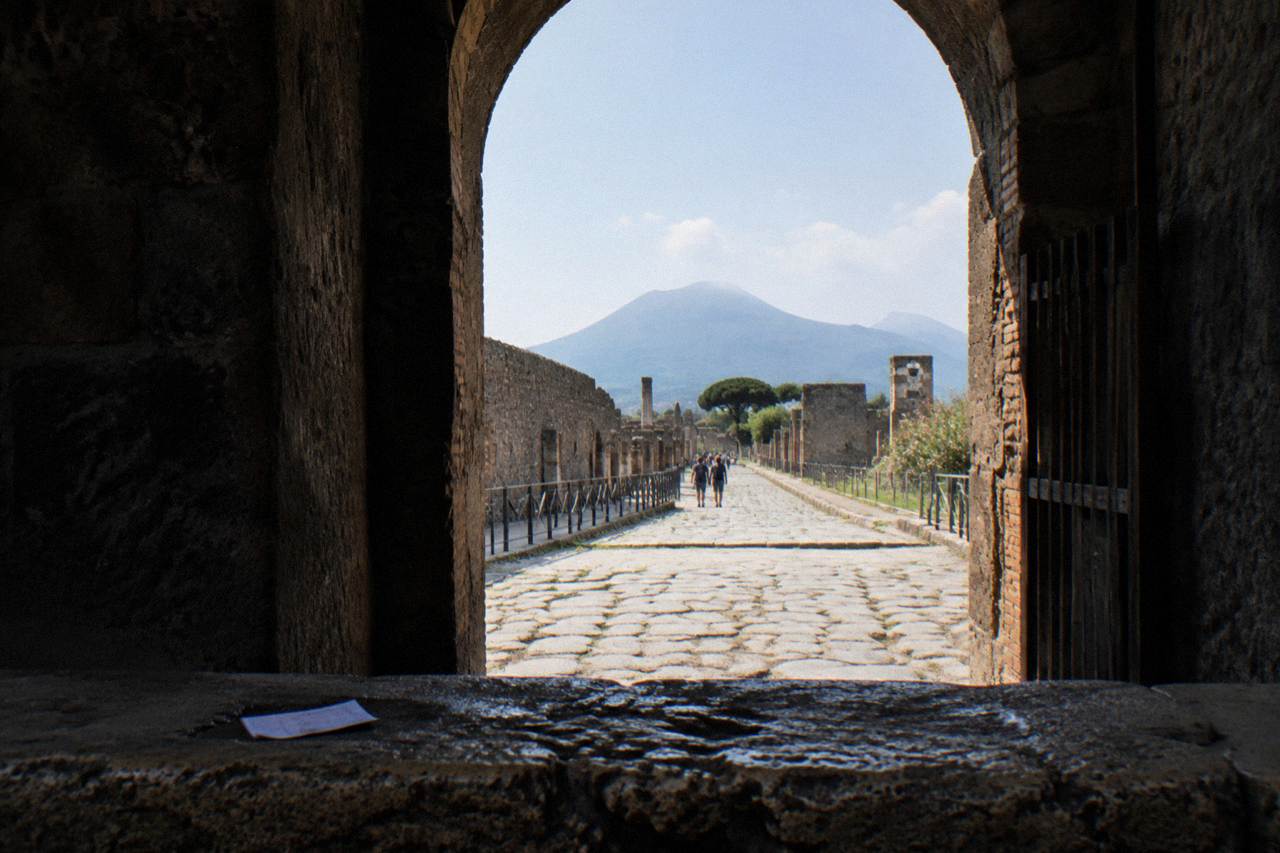
What Month Is Best To Visit Pompeii?
The best month to visit Pompeii is April or May, with late September and October as close rivals. Pompeii runs its long summer hours from 16 March to 14 October, last entry 17:30, while the Vesuvius summit above it is still mild rather than scorching, crowds sit below the July and August peak, and rain days are comparatively few. October also carries an autumn light that photographers rate highly.
Pompeii is not a same-all-year site. The archaeological park switches its clock twice a year, the daily cap never moves but the pressure on it does, and the mountain that destroyed the city sets its own seasonal rhythm for anyone pairing the ruins with a crater hike. A month that is perfect for the ruins can be punishing for the trail, and vice versa. The park's official hours and ticketing pages, along with the Vesuvius National Park crater timetable, are the two documents that actually decide what your day looks like, and both of them change by month. The park publishes its hours and admission system at pompeiisites.org, and it is worth reading the slot rules there before you commit to a date.
The climate numbers in this article are a modelled 1991-2020 climate average, drawn from reanalysis data rather than a single weather station, so treat them as planning ranges rather than forecasts. They are, however, consistent enough to rank months against each other with confidence. For a deeper dive into the volcano side of the calendar, our companion guide on the Best Time To Visit Mount Vesuvius works through the crater access windows month by month, and the site's own Mount Vesuvius by month pages carry the full breakdown.
Before the month-by-month logic, a quick reality check on the products themselves: no tour on this site's roster runs only in one month. Every Pompeii and Vesuvius listing is bookable for future dates year-round subject to the operator's schedule, and the same is true of the transfer-and-ticket products. What changes by month is the experience on the ground, not the catalogue.
If you already know you want a guided pairing of the two sites, these three are the formats most visitors compare for a single-day plan:
When Is Pompeii Open, And When Do The Hours Change?
Pompeii is open every day except 25 December and 1 January. From 16 March to 14 October it opens at 9:00, last entry 17:30, closing 19:00. From 15 October to 15 March, last entry drops to 15:30 and the site closes at 17:00. There is no weekly closing day, and the first Sunday of every month is free, with direct access.
That winter cut matters more than most visitors expect. Between November and February you lose two full hours of usable site time compared with summer, and Pompeii is a big place: the ancient city alone covers dozens of exposed streets, and the suburban villas on the Pompeii+ ticket add a shuttle leg. A winter visit needs a tighter route and an earlier start, because a 15:30 last entry means the last comfortable arrival is around 13:00.
Admission is capped at 20,000 entries a day, split into two slot windows in the summer season: 9:00 to 13:00 carries a maximum of 15,000 entries and 13:00 to 17:30 a maximum of 5,000. Those caps rarely bind outside peak summer, but they explain why morning tickets in July and August sell out first. The ticket itself is personal and nominative, and the current range runs €20 for Pompeii Express, which covers the ancient city only, to €25 for Pompeii+ with the suburban villas, to €30 for the three-day Pompeii Plus. A single €25 ticket covering all park sites for one entry each takes effect from 1 January 2027, so anyone planning a very late trip should price both systems.

For families and anyone weighing the walking itself, the practical companion question is whether the climb above the ruins is manageable, and our piece on How Hard Is The Walk Up Vesuvius? covers the trail's gradient and timing. The short version: the crater path is officially rated low difficulty, a 4,010 m round trip taking about 2 hours 30, but it is uneven volcanic ground, and one guest review of a combined Pompeii and Vesuvius day from Naples warns of "very uneven surfaces and very hot in summer so trainers and water bottles." That advice is month-dependent, which is exactly why the calendar question is worth asking.
Planning a specific week rather than a month? The one standing rule worth memorising is weather, not season: the Vesuvius crater trail and its ticket office close automatically on any day the regional civil protection authority issues an orange weather alert or higher, with automatic refunds for slots inside a closure. The park states this rule on its Gran Cono page. Check the live listing for any tour you book, and watch the forecast in the days before a winter or autumn visit.
What Does The Climate Say About Each Month?
Summit-level highs on Vesuvius run about 6 to 7 C below Naples in every month of the modelled 1991-2020 climate average. Naples averages 28.6 C in July and 29.3 C in August, against 22.1 C and 22.8 C at summit level. November is the wettest summit month at 180 mm of rain, July the driest at 16 mm. Pompeii sits at the city-level figures, so the ruins feel Naples heat.
That split is the single most useful planning fact on this page. Pompeii is an exposed site with little shade, so the number that decides your comfort is the Naples column, not the summit column. But if you are pairing the ruins with the crater, and most visitors are, the summit column decides the second half of your day, and the gap between the two is consistently 6 to 7 C.
| Month | Pompeii last entry | Vesuvius crater last access | Daily crater cap | Naples avg high C | Summit avg high C (rain mm) |
|---|---|---|---|---|---|
| January | 15:30 | 15:00 | 2,160 | 11.7 | 5.6 (119) |
| February | 15:30 | 15:00 | 2,160 | 12.2 | 6.0 (103) |
| March | 15:30 (from 15 Mar) | 16:00 | 2,520 | 14.6 | 8.3 (104) |
| April | 17:30 | 17:00 | 2,880 | 17.4 | 11.1 (87) |
| May | 17:30 | 17:00 | 2,880 | 21.5 | 15.1 (59) |
| June | 17:30 | 17:00 | 2,880 | 25.7 | 19.2 (30) |
| July | 17:30 | 18:00 | 3,240 | 28.6 | 22.1 (16) |
| August | 17:30 | 18:00 | 3,240 | 29.3 | 22.8 (22) |
| September | 17:30 | 17:00 | 2,880 | 25.1 | 18.7 (90) |
| October | 17:30 (to 14 Oct) | 16:00 | 2,520 | 20.9 | 14.8 (129) |
| November | 15:30 | 15:00 | 2,160 | 16.4 | 10.4 (180) |
| December | 15:30 | 15:00 | 2,160 | 12.7 | 6.7 (147) |
Read down the rain column and the month ranking almost writes itself. April and May combine long site hours with modest rainfall, 87 mm and 59 mm respectively at summit level, and manageable heat. September recovers as the summer thins out, though its 90 mm of summit rain is notably higher than May's. October is a genuinely strong pick for the ruins, but it is the second wettest summit month at 129 mm and the crater's last access drops to 16:00, so a paired day needs an early start. The full seasonal breakdown is on our Mount Vesuvius in spring and Mount Vesuvius in autumn pages.
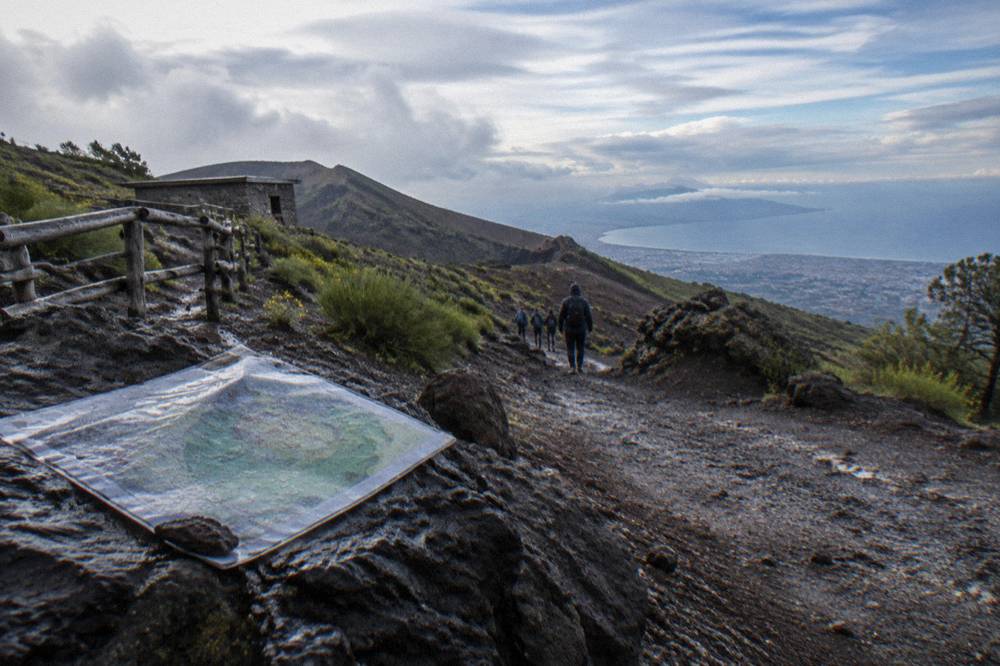
What Is The Best Month To Go To Naples?
For Naples itself, the best months are April, May, June, September and October, when city highs run from about 15 C to 25 C in the modelled 1991-2020 average. July and August average 28.6 C and 29.3 C and are also the peak cruise and holiday months. November is the wettest month regionally, and December to February are coolest but quietest.
Visitors often treat Naples, Pompeii and Vesuvius as one trip, and the calendar rewards that. The same shoulder months that make Naples walkable make the ruins survivable and the crater pleasant. The summer peak inverts that logic: an August day can deliver 29 C in the city, thin shade on the excavated streets, and a summit that is, unusually, the coolest place on your itinerary.
One Naples-side bonus worth noting in the autumn column: the volcano's monitoring body, the INGV Osservatorio Vesuviano, publishes a monthly bulletin, and the September 2026 bulletin recorded 121 small earthquakes with a maximum magnitude of 1.7, parameters consistent with the green alert level in force. None of this affects a visit; it simply confirms that the mountain is quiet, and it is published at ov.ingv.it for anyone who likes to check.
Should You Pair Pompeii With A Vesuvius Hike, And Does The Month Change That?
Yes, and the month changes it more than any other decision on this page. Crater last access ranges from 15:00 in winter to 18:00 in July and August, while Pompeii's last entry is 15:30 or 17:30 by season. From November to February a same-day double visit means starting at Pompeii by 9:00 sharp and climbing the crater by early afternoon.
The mechanics of a paired day are the same in every month: bus or drive to the Quota 1000 plaza, walk the Gran Cono trail, which is 4,010 m round trip with a turnaround at 1,170 m, and every visitor above 1,000 m is accompanied by the park's volcanological guides, a mandatory service built into the ticketing. What the month decides is whether that fits comfortably after a morning in the ruins or whether it needs to come first.
The most flexible format for the pairing is a small-group day. The Pompeii and Mount Vesuvius Small Group Tour from Naples runs about 7 hours, is capped by its small-group format, and carries a 4.5 rating from 117 reviews, from €85 per person. Reviewers on similar days describe exactly the split this article is arguing about: one guest on a combined tour wrote that the group had "a good hike to the crater of Mt. Vesuvius with a beautiful view of Naples, the crater, the country side, Sorrento and Capri." For a wider comparison of formats, the guide to the best Vesuvius and Pompeii tour listings walks through the options.
For anyone still deciding whether the climb is worth the calendar effort at all, our article Is It Worth Going Up Mount Vesuvius? makes the honest case, including what the summit does and does not deliver. It pairs naturally with this month question: the answer is strongest in the months where visibility and temperature cooperate, which is another quiet argument for spring and early autumn. And once you've settled on the right window of months, the natural next question is how long the ruins themselves need, which is where our honest look at whether a short Pompeii visit is enough comes in.
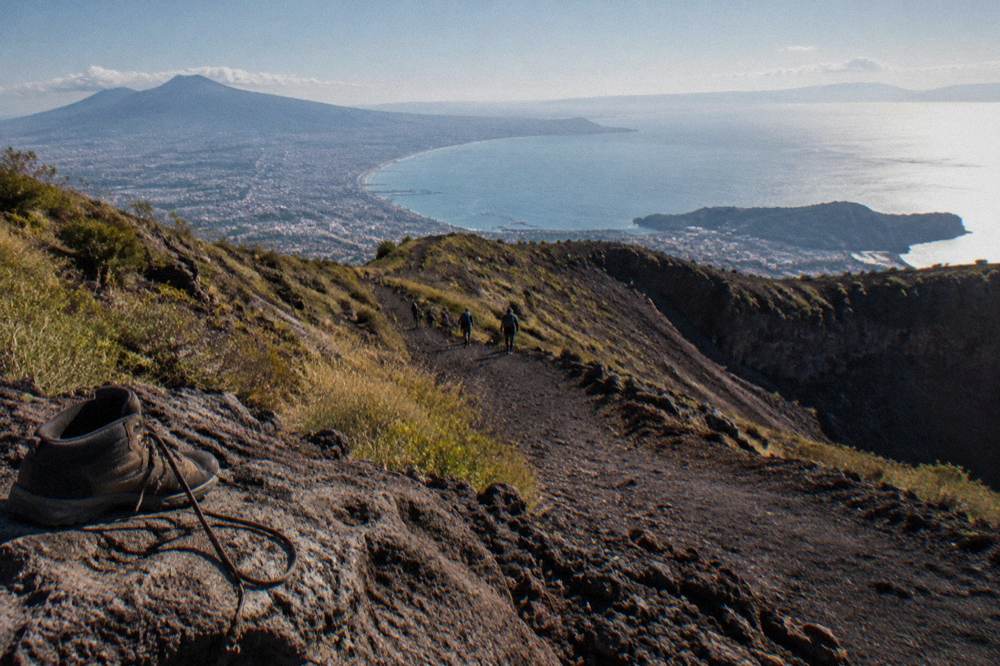
What Is The Best Way To Visit Pompeii From Rome?
The practical way from Rome is a booked day tour rather than independent trains, because the best listings bundle transport, a guide and skip-the-line entry into one 9 to 12 hour day. The Pompeii from Rome with Optional Mt. Vesuvius and Pizza Lunch tour, 4.6 from 6,517 reviews, runs about 12 hours from €56 per person. A leaner City Wonders alternative is 9 to 12 hours, also from €56 per person, with pickup flagged.
The month matters on a Rome day trip even more than on a Naples one, because the day is longer. A 12-hour door-to-door schedule in August heat is a different proposition from the same schedule in April, and the optional crater add-on is exactly the part that benefits from a cooler month. Independent travel by fast train to Naples and the Circumvesuviana onward is possible, but it adds two more connections to a day that is already long, and it leaves you solving Pompeii entry and crater tickets separately. Note that the Campania Express tourist train is suspended, so it should not figure in any plan.
Both City Wonders listings above flag free cancellation, which is worth having when you are betting a Rome day on Campanian weather. Whichever way you book, the slot logic in this article applies: in the peak months, morning Pompeii entry is the scarce commodity, and a tour that guarantees timed entry removes the main failure mode of a DIY day.
What Is The Best Way To Visit Pompeii From Sorrento?
From Sorrento, the best options are full-day guided tours that collect along the coast and handle both entries. From Sorrento: Pompeii and Vesuvius Guided Tour with Lunch, 4.8 from 2,383 reviews, runs 8.5 to 9 hours from €109.25 per person with a meal included. The Sorrento: Full-Day Pompeii and Mount Vesuvius Tour, 4.8 from 384 reviews, is 8 hours from €106.25 per person with hotel pickup.
Sorrento-based visitors get the easiest version of this decision. The transit spine from Sorrento runs through Pompei, so a paired ruins-and-crater day is a natural fit, and several operators run it daily in season. The meal-included formats are worth a hard look in the summer months specifically: a seated lunch in the middle of a hot day resets the group, and the pizza-lunch format from Naples, 4.8 from 9,744 reviews from €53.25 per person, is the same idea for visitors based in the city. As one guest on that tour put it, "A great trip for anyone wanting to visit Pompei and Mount Vesuvius in one day."
The month logic from earlier applies with one Sorrento-specific twist: in the July and August window, both sites open latest, which suits the longer transfer from the coast, so a summer Sorrento day is workable if you accept the heat. In the November to February window, the same transfer eats into a short day, and the paired format becomes tight rather than relaxed.
What Is The Best Guided Tour Of Pompeii?
The best combined format is the small-group Pompeii and Mount Vesuvius day from Naples, 4.5 from 117 reviews, from €85 per person, for depth and group size. For a budget group option, the Naples day tour with lunch included, 4.3 from 14,121 reviews, from €67.20 per person, is the most-reviewed pairing on the roster. Archaeologist-led formats from €78.20 per person rate highest for guiding depth.
"Best" depends on what you are optimising, so it helps to see the main formats side by side. The table below pulls the headline listings that appear across this article, with the figures exactly as their listings state them.
| Tour | Format | Duration | Rating | From price |
|---|---|---|---|---|
| Pompeii and Mount Vesuvius Small Group Tour from Naples | Small group, both sites | 7 hours approx. | 4.5 from 117 reviews | €85 per person |
| From Naples: Pompeii and Vesuvius Day Trip with Pizza Lunch | Group, meal included | 3.5 to 8 hours | 4.8 from 9,744 reviews | €53.25 per person |
| Mount Vesuvius Transfer with Entry Tickets | Transfer and ticket only | 3 hours | 4.4 from 1,785 reviews | €35.10 per person |
| Exclusive Pompeii & Vesuvius Tour with Lunch from Naples | Archaeologist guide, lunch | 8 hours | 4.7 from 3,701 reviews | €78.20 per person |
| From Sorrento: Pompeii and Vesuvius Guided Tour with Lunch | Group, Sorrento start, meal | 8.5 to 9 hours | 4.8 from 2,383 reviews | €109.25 per person |
The transfer-and-ticket product in that table is the month-flexible wildcard: at 3 hours from €35.10 per person, it suits visitors who want to tour Pompeii independently and then ride up to the crater with entry arranged, a format that works in any month but is easiest when the crater's last access is 17:00 or 18:00. Every listing above flags free cancellation, so booking ahead in the shoulder months carries little risk, and confirming the operator's current schedule before travel is always the right final step.
What Month Should You Avoid At Pompeii?
Avoid August if heat and crowds are your main concerns: Naples averages 29.3 C, both the crater and Pompeii hit their peak caps, 3,240 and 20,000 respectively, and school holidays fill the site. November is the other month to think twice about, with 180 mm of summit-level rain in the modelled average and the shortest hours. Neither month is impossible, both just demand early starts.
August has defenders, and their argument is real: the longest hours of the year at both sites, the latest crater access at 18:00, and the driest ground of any month bar July. If you do go in August, flip the standard order, climb the crater first thing and do Pompeii in the afternoon shade, and take the 22.8 C summit average as your friend. What cannot be argued away is the crowd arithmetic: 3,240 crater slots a day exist precisely because demand fills them, and Pompeii's morning window absorbs up to 15,000 entries in summer.
The deeper point is that no month fails outright. Winter visits buy you empty streets and soft light at the cost of two hours of access and a real chance of a weather-driven crater closure under the orange-alert rule. Summer buys you maximum hours at the cost of heat and company. Spring and autumn buy you the balance, which is why this article opened where it did: April, May, late September and October are the months where the fewest variables are working against you. That is the whole of the recommendation, and the Mount Vesuvius Tours homepage's This Season band carries the current access status for whatever month you land on.
Common Questions About The Best Month To Visit Pompeii
What Month Is Best To Visit Pompeii?
April, May, late September and October. Pompeii runs its long hours from 16 March to 14 October, heat is manageable rather than punishing, crowds sit below the July and August peak, and the Vesuvius crater above the ruins is still open to 17:00 or later in most of that window.
What Is The Best Month To Go To Naples?
April, May, June, September and October, when city highs run from about 15 C to 25 C in the modelled 1991-2020 average. July and August average 28.6 C and 29.3 C and carry the peak crowds. November is the wettest month regionally.
What Is The Best Way To Visit Pompeii From Rome?
A booked day tour, typically 9 to 12 hours from €56 per person, bundling transport, guiding and entry. Independent travel by fast train is possible but adds connections and leaves you solving both Pompeii entry and crater tickets yourself.
What Is The Best Way To Visit Pompeii From Sorrento?
A full-day guided tour from the coast, such as the Sorrento options running about 8 to 9 hours from €106.25 per person with hotel pickup, or from €109.25 per person with a meal included. Transit from Sorrento runs through Pompei, so a paired ruins-and-crater day is a natural fit.
What Is The Best Guided Tour Of Pompeii?
The small-group Pompeii and Mount Vesuvius day from Naples, 4.5 from 117 reviews, from €85 per person, for depth and group size; the pizza-lunch day trip from Naples, 4.8 from 9,744 reviews, from €53.25 per person, for value; and the archaeologist-led formats from €78.20 per person for guiding depth.
Does The Vesuvius Crater Close In Any Month?
No month closes it by rule, but access hours shrink in winter, to 15:00 last access from November to February, and the trail and ticket office close automatically on any day with an orange regional weather alert or higher, with automatic refunds for slots inside a closure. Check the live listing for your date.